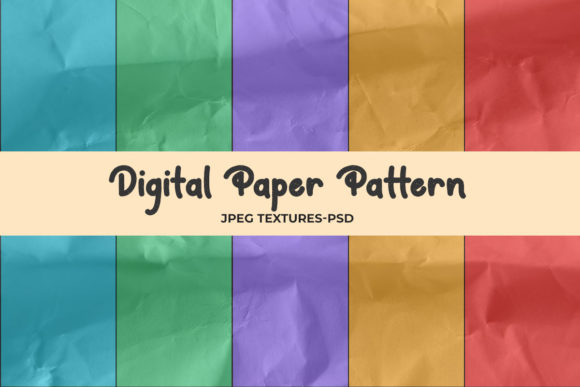
Digital Paper Patterns: Creative Design Essentials
Digital paper patterns and textures have become essential tools for creators, designers, and professionals across various industries. These high-resolution assets offer a versatile way to enhance visual projects, from print materials to digital content. Whether you're working on branding, marketing, or personal creative projects, understanding how to use and adapt digital paper patterns can significantly improve your design outcomes.
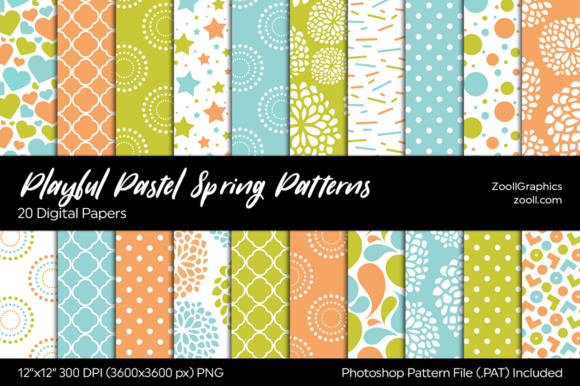
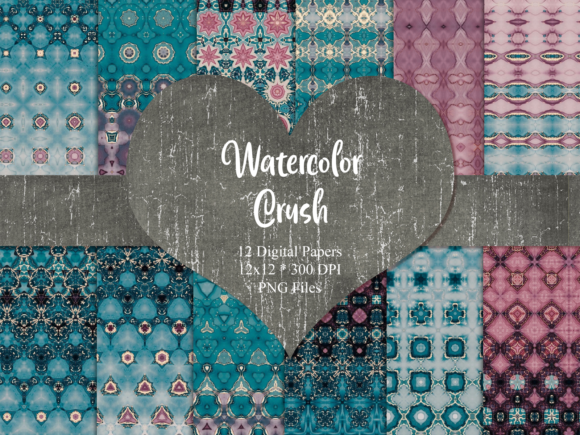
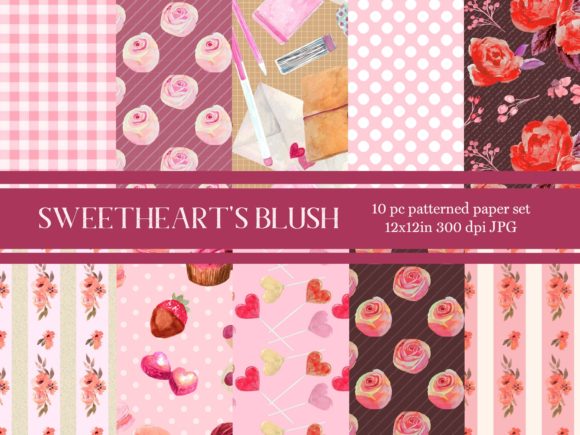
At the core of digital paper pattern design is the ability to combine aesthetics with functionality. These patterns can range from subtle textures that add depth to a design, to bold, intricate motifs that serve as the focal point of a project. The key is to choose or create patterns that align with your goals and audience expectations.
What Makes Digital Paper Patterns Useful?
Digital paper patterns are more than just decorative elements. They provide a structured approach to visual storytelling and brand identity. With high-resolution formats like JPEG and PSD, these designs maintain clarity and detail at any scale, making them ideal for both digital and print applications.
One of the main advantages of digital paper patterns is their flexibility. They can be easily edited, layered, or combined with other design elements to create unique compositions. This adaptability allows users to experiment with different styles, ensuring that each project feels fresh and original.
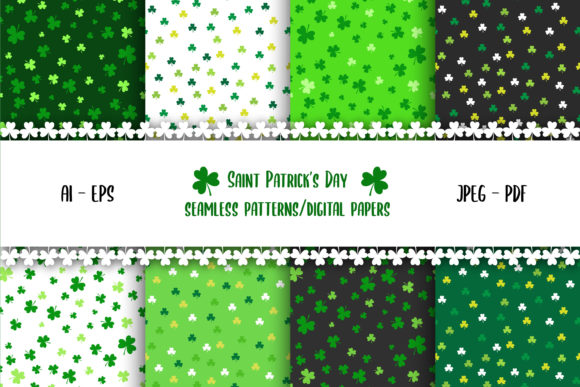
Additionally, digital paper patterns often come in a variety of styles—ranging from vintage and rustic to modern and minimalist. This diversity ensures that there's a pattern to suit every creative vision, whether you're designing for a fashion brand, an educational resource, or a marketing campaign.
Creative Applications of Digital Paper Patterns
The applications of digital paper patterns are vast and varied. For example, in graphic design, they can be used as backgrounds, overlays, or texture layers to add dimension and interest to a layout. In the world of publishing, they can transform simple text into visually engaging content, especially when used in e-books, magazines, or newsletters.
For marketers and entrepreneurs, digital paper patterns can elevate social media posts, email templates, and promotional materials. A well-chosen pattern can help reinforce brand identity and create a cohesive visual language across all platforms. This consistency is crucial for building trust and recognition among audiences.
Designers and educators also find value in using digital paper patterns for teaching and learning. They can be used in lesson plans, worksheets, or interactive presentations to make information more engaging and accessible. By incorporating these elements, educators can create dynamic learning environments that encourage creativity and exploration.
How to Adapt Digital Paper Patterns for Different Goals
Adapting digital paper patterns to specific goals requires a thoughtful approach. For instance, if your goal is to create a professional-looking brochure, you might choose a clean, elegant pattern that complements the content without overwhelming it. On the other hand, if you're designing a children's book, a playful and colorful pattern could enhance the overall experience.
Understanding your audience is also key. A pattern that works well for a corporate presentation may not resonate with a younger, more casual audience. Researching your target demographic and tailoring your design choices accordingly can make a significant difference in how your work is received.
Another important consideration is the format and platform where your design will be used. High-resolution files like PSDs allow for greater customization and layer control, which is essential for complex projects. JPEGs, while less editable, are ideal for quick sharing and web-based use.
Practical Tips for Using Digital Paper Patterns
To get the most out of digital paper patterns, start by selecting high-quality files that match your project needs. Look for patterns that are well-structured, consistent, and easy to integrate with other design elements. Avoid overly busy or distracting patterns that may detract from the main message or purpose of your work.
When working with digital paper patterns, consider how they interact with colors, fonts, and other visual components. A pattern that looks great in isolation may not work well when combined with certain color schemes or typefaces. Testing different combinations can help you achieve a balanced and harmonious design.
Organization is another critical factor. Keep your digital paper patterns stored in a logical and accessible manner, especially if you're working on multiple projects. This practice saves time and reduces the risk of errors or inconsistencies in your work.
Conclusion: Embrace the Power of Digital Paper Patterns
Digital paper patterns and textures are powerful tools that can enhance the visual appeal and effectiveness of your creative work. Whether you're a designer, marketer, educator, or hobbyist, these assets offer endless possibilities for innovation and expression.
By understanding the principles of digital paper pattern design and applying them thoughtfully, you can elevate your projects and create more engaging, professional results. With the right approach, digital paper patterns can become a valuable part of your creative toolkit, helping you bring your ideas to life with style and precision.